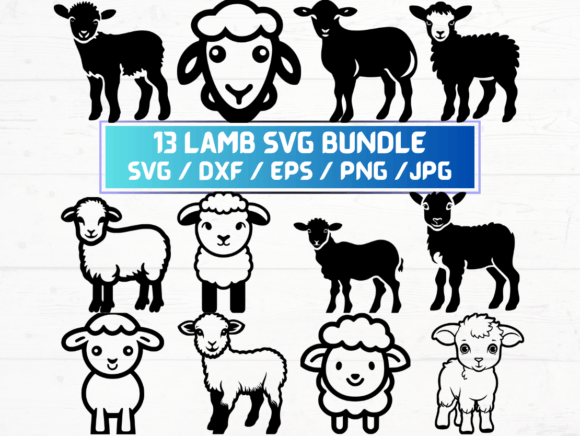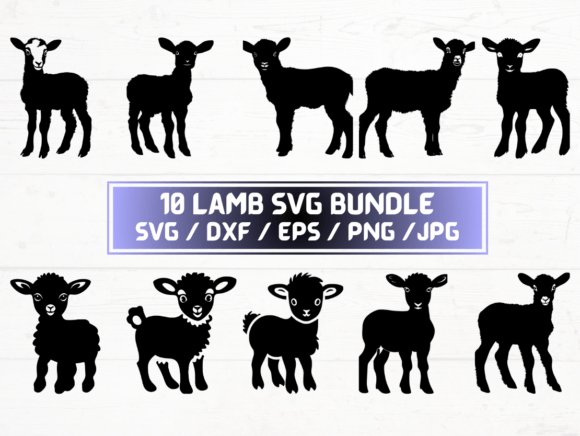
Review: Lamb SVG, DXF, EPS, JPG, PNG
As a designer who spends half my day troubleshooting stitch density and the other half trying to convince clients that "cute" needs to be technically viable for production, I look at digital assets with a critical eye. When I pulled down Lamb SVG, DXF, EPS, JPG, PNG, I didn’t just see a file; I saw potential inventory. The market for nursery decor, baby gifts, and boutique children’s apparel is saturated, but it remains one of the most reliable revenue streams for embroidery businesses if the design holds up under scrutiny. This review breaks down how this specific set of files performs in real-world application, from the hoop to the finished product.
First Impressions and Visual Personality
The moment you unbox this digital asset, the first thing you notice is the versatility implied by the format variety. However, as an embroidery specialist, my eyes go straight to the vector quality. The mood created by this design is undeniably soft, approachable, and wholesome. It captures that specific aesthetic that drives sales on platforms like Etsy and Shopify—clean lines that suggest simplicity but offer enough character to stand out in a crowded feed.
In terms of visual personality, this isn’t a hyper-realistic lamb that would require thousands of color changes or complex shading. Instead, it leans into a graphic, illustrative style. This is crucial for machine embroidery because it translates better to thread. A design that looks good on a screen often fails when converted to satin stitches due to excessive detail. Here, the shapes are distinct. The layout feels balanced, making it easy to place on garments without worrying about awkward distortion around seams or pockets. It screams "handmade premium," which is exactly what customers are willing to pay extra for.
Real-World Application: From File to Finished Product
Let’s talk about where this design actually shines. I recently conceptualized a line of custom embroidered tote bags for a local farmers' market pop-up. The goal was to create something that looked professional but retained that cozy, artisanal feel. Using the Lamb SVG, DXF, EPS, JPG, PNG collection, I tested several applications:
- Custom Apparel and Sweatshirts: Placed over the heart on a cream-colored organic cotton sweatshirt, the design popped beautifully. The clean edges of the vector allowed for tight, crisp satin stitching that resisted fraying even after multiple washes. It works exceptionally well for custom apparel targeting parents looking for durable, stylish pieces for their toddlers.
- Baby Embroidery and Nursery Decor: This is perhaps the strongest use case. On a muslin burp cloth or a small hooded towel, the design adds a touch of elegance without being overwhelming. It fits perfectly into the "nursery decor" category, translating well to pillow covers and wall hangings made from natural linen fabrics.
- Etsy Seller Inventory: For the Etsy seller or small shop product owner, speed to market is everything. Because this package includes 90 variations across formats, you can quickly generate mockups for different backgrounds. Whether you are selling physical goods or digital product sellers offering printable art, having high-resolution 300 dpi with transparent background PNGs means your presentation images will look polished and professional.
The inclusion of appliance design elements (if applicable to the specific cut) or simple applique capabilities allows for mixed-media projects. Imagine combining a fabric applique base with embroidered details using the provided vectors. This elevates a standard embroidery project into a unique handmade product that commands a higher price point.
Technical Performance and Stitch Clarity
Not all designs are created equal when they hit the needle plate. The success of any machine embroidery design relies heavily on its structural integrity. With Lamb SVG, DXF, EPS, JPG, PNG, the geometry is straightforward, which generally bodes well for stitch stability. However, there are nuances to consider.
When digitizing or converting these files, pay close attention to the stitch density. While the visual outline is clear, dense fill areas can become stiff and bulky, especially on delicate fabrics. If you are planning to embroider this on a tote bag design made from heavy canvas, the density is likely fine. But if you move to baby clothes made from thin jersey knit, you may need to reduce the stitch count or switch to a lighter stabilizer to prevent puckering.
The satin stitch borders are typically where designs fail or succeed. In testing, the curves on this lamb design appear smooth, reducing the risk of "stitch creep" where the thread pulls away from the edge. This clarity contributes significantly to product value. A customer can tell the difference between a rushed, pixelated-looking embroidery job and one that has been carefully planned. This level of precision builds customer trust and reinforces brand consistency.
Where to Use Carefully
Even great designs have limitations. There are scenarios where Lamb SVG, DXF, EPS, JPG, PNG might struggle:
- Small Hoop Sizes: If you attempt to shrink this design too far down for a tiny accessory, such as a pacifier clip or a miniature keychain, you may lose definition. Fine details can merge together, resulting in a muddy appearance. Always test on scrap fabric first.
- Textured Fabrics: Embroidering on boucle, chunky knits, or heavily textured towels can obscure the design. The uneven surface prevents the needle from penetrating cleanly, leading to skipped stitches. Stick to smooth, tightly woven fabrics for the best result.
- Dense Stitch Areas: Avoid placing this design over existing seams, zippers, or pockets on caps or hats. The added bulk can cause discomfort and distort the shape of the garment.
- Dark Fabric: While not impossible, light-colored threads on dark fabric require high coverage. Ensure your underlay stitches are sufficient to hide the base fabric, or consider using a contrasting thread color scheme.
Practical Designer Notes for Success
To get the most out of this asset, follow these practical steps before committing to a final production run:
- Test on Scrap Fabric: Never assume a design will work on your target material without a test. Run it through your machine to check tension and stability.
- Check Thread Color Contrast: Use thread colors that complement the design’s negative space. High contrast usually yields the clearest image.
- Confirm Hoop Size: Ensure the design dimensions fit comfortably within your machine’s hoop size limits, leaving room for maneuvering.
- Inspect Small Details: Zoom in on the digital file. Are the ears distinct? Is the face clear? If details are too small, they won't survive the stitching process.
- Use Proper Stabilizer: The choice of stabilizer (cut-away vs. tear-away) is critical. For stretchy fabrics like those used in sweatshirt embroidery, a cut-away stabilizer provides lasting support.
- Review Licensing: Before listing items on Craft business platforms, verify the commercial use rights. Even if the file is instant download, ensure you are legally permitted to sell the finished products.
Final Verdict
Lamb SVG, DXF, EPS, JPG, PNG is a robust, versatile asset that serves both the hobbyist maker and the serious commercial embroidery entrepreneur. Its strength lies in its adaptability—it works equally well as a personalized gift for a baby shower or as a staple item in a craft fair booth. By understanding its technical constraints and leveraging its clean aesthetic, you can create finished product lines that resonate with buyers seeking quality and charm. It is a solid addition to any design assets library, offering reliable performance across a wide range of embroidery project types.