Husky Svg File: A Designer’s Review for Graphics and Crafts Projects
When I receive a new design asset for a client project, my first instinct is always skepticism. As a professional graphic designer, I have seen thousands of design assets that look promising in the thumbnail but fall apart under scrutiny. However, when I first opened the Husky Svg File, I felt an immediate sense of recognition. It didn’t just sit there as another generic clipart; it had weight, character, and a distinct visual mood that could easily anchor a brand identity or a seasonal campaign.
This review isn’t just about aesthetics; it is about utility. For those of us working with small business branding, handmade businesses, or print-on-demand platforms like Etsy, the difference between a good asset and a great one lies in its versatility and technical execution. Below, I break down how this SVG design performs in real-world scenarios, from logo design to packaging details, and what you need to know before integrating it into your next creative design.
First Impressions and Visual Mood
The Husky Svg File exudes a rugged yet refined energy. In the world of graphics and crafts, capturing the essence of a husky without resorting to cartoonish clichés is difficult. This illustration strikes a balance that feels modern and sophisticated. The lines are clean, suggesting a style that fits well within modern design trends often favored by boutique product lines and artisanal brands.
Visually, it creates a mood of loyalty, strength, and wilderness. This makes it particularly effective for clients in the outdoor industry, pet-related products, or lifestyle brands that want to evoke a sense of adventure. When I placed this asset on a mockup for a local event flyer, it immediately elevated the composition. It acted as a hero graphic, drawing the eye without overwhelming the typography. This is exactly what we look for in a high-quality digital product: an element that commands attention while maintaining harmony with surrounding text.
Technical Performance in Real Client Work
As designers, our job is to solve problems visually. One of the biggest challenges with vector assets is ensuring they scale properly across different mediums. The inclusion of multiple file formats in this bundle addresses this concern effectively. Let’s look at how these files perform in specific contexts.
Logo Design and Brand Identity
If you are building a brand identity for a dog walking service, a kennel, or an outdoor apparel line, the Husky Svg File offers excellent foundational elements. Because it is provided as an SVG, you can manipulate the vectors directly in Adobe Illustrator or Affinity Designer. You can adjust the stroke weights, isolate specific parts of the illustration, or combine it with other geometric shapes to create a unique logo design. The clean edges ensure that even when simplified, the image remains recognizable and legible.
Packaging Design and Product Labels
In the realm of packaging design, space is premium. The detailed nature of the illustration allows it to work beautifully as a central focal point on product labels. Whether it’s for a small batch of handmade soaps, coffee blends, or specialty foods, the husky motif adds a touch of personality that generic patterns lack. The 300 dpi PNG versions included in the download are crucial here, providing a raster backup that maintains crispness when printed on textured paper stocks where vector conversion might behave unpredictably.
Social Media Graphics and Digital Ads
For marketers and content creators, speed and impact are key. The Husky Svg File translates seamlessly into social media graphics. I tested placing the asset against various background colors to simulate Instagram posts and Pinterest pins. On dark backgrounds, the white space around the illustration popped, creating a striking contrast. On light backgrounds, it integrated smoothly with sans serif fonts. Its versatility makes it an ideal candidate for marketing visuals that need to stop the scroll.
Where the Asset Shines
Based on my testing, the Husky Svg File performs best in large layout areas where detail can be appreciated. Here are the top use cases:
- Hero Graphics: Use it as the main visual on landing pages or website headers to establish an immediate emotional connection.
- Mercenary and Apparel: For t-shirt design or tote bags, the bold lines reproduce well on fabric, especially with sublimation printing techniques.
- Sticker Design: The clear outlines make it perfect for die-cut stickers, a popular item on Etsy and craft fairs.
- Cricut Projects: If you are using a Cricut machine for vinyl cutting, the DXF and SVG files ensure precise cuts, reducing waste and frustration during production.
- Editorial Design: In magazines or blog layouts, it serves as an engaging decorative accent that breaks up text blocks effectively.
Areas Requiring Careful Consideration
No asset is perfect, and knowing where not to use something is just as important as knowing where to use it. There are specific scenarios where the Husky Svg File might struggle:
- Small Sizes: At very small sizes (under 1 inch), intricate details may become muddy. Always preview the asset at its intended final size before committing to a layout.
- Crowded Layouts: Avoid placing this asset in compositions that are already visually dense. It has enough visual weight to compete with other elements, so give it breathing room.
- Minimalist Branding: If your client’s brand relies on extreme minimalism or abstract geometry, this illustrative style might feel too literal or busy.
- Low-Contrast Backgrounds: Be cautious when placing the asset on backgrounds with similar tonal values. Ensure there is sufficient contrast to maintain visual hierarchy and readability.
Practical Designer Notes for Commercial Use
Before incorporating the Husky Svg File into a paid client project, I recommend running through this checklist to ensure professional quality:
- Test in Black and White: Convert the asset to pure black and white to check its silhouette. If the shape holds up without color, it will likely hold up in any medium.
- Check Contrast: Place the asset on both light and dark backgrounds to ensure it remains visible and impactful.
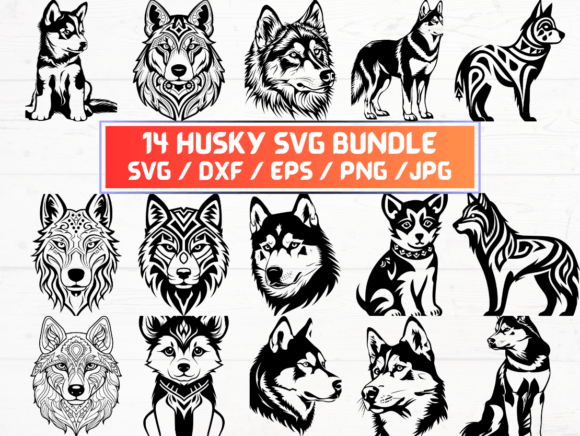
- Review File Formats: The bundle includes 14 SVG, PNG, DXF, JPG, and EPS files. Verify that the SVG opens cleanly in your preferred software without unwanted anchor points.
- Inspect Transparency: Check the PNG files for proper transparency edges. Frayed or jagged edges can ruin the polish of a printable design.
- Font Pairing: Experiment with pairing the asset with different font styles. A sturdy sans serif font complements the rugged theme, while a script font can add a handcrafted, handmade business feel. Avoid overly ornate display fonts that clash with the illustration’s clean lines.
- Confirm Licensing: Always read the commercial license agreement. Ensure you are permitted to use the asset for end-products sold to customers, such as physical goods or digital downloads.
Final Verdict
The Husky Svg File is more than just a cute picture of a dog; it is a robust graphic design asset capable of supporting a wide range of creative marketplace projects. Its technical variety, combined with its strong visual appeal, makes it a valuable addition to any designer’s toolkit. Whether you are creating print-on-demand products, developing a brand identity for a pet-related startup, or designing web design elements for a lifestyle blog, this asset delivers professionalism and charm.
By understanding its strengths and limitations, you can leverage the Husky Svg File to create polished, cohesive designs that resonate with audiences and meet client expectations. It is a testament to the fact that the right design bundle can elevate a project from ordinary to exceptional.